In the early hours of Thursday (July 17), the National Congress dismantled the main instrument for controlling the environmental impacts of development projects in Brazil. The approval of Bill 2,159/2021 represents the greatest legislative environmental setback since the military dictatorship (1964–1985), and it comes less than four months before COP30, the UN Climate Conference to be held in Belém.
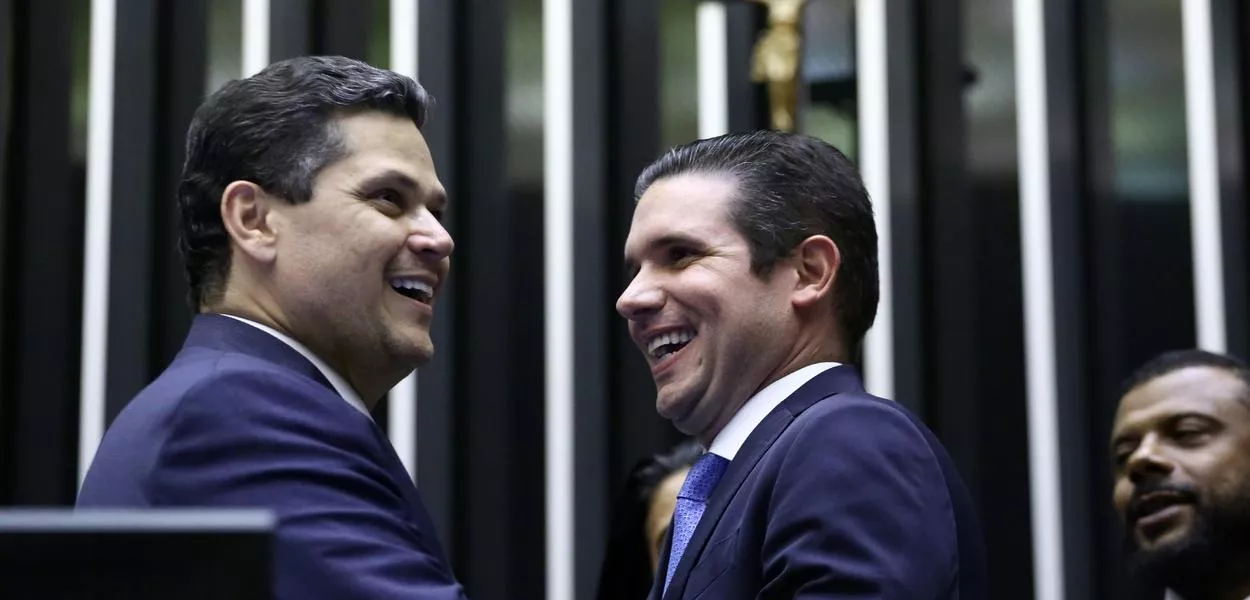
Endorsed at 1:53 a.m. by the Chamber of Deputies with 267 votes in favor and 116 against, the bill that guts environmental licensing rules had been approved by the Senate in May. The presidents of both houses, Davi Alcolumbre and Hugo Motta, ignored all warnings from experts, civil society, and the scientific community.
Now, President Lula has 15 working days to veto the bill in its entirety, as there is no way to salvage the text through partial vetoes. Environmental licensing can be improved, but this must be achieved through public participation and based on technical and scientific criteria. Bill 2,159 is the antithesis of a proper solution for licensing.
As it is unconstitutional, the approved legislation will be challenged in court. Contrary to the claims of its supporters, it will result in conflicts and legal uncertainty for entrepreneurs and investors. It marks the end of four decades of building environmental legislation and a return to an economic development model that leads to chaos, pollution, and death.
It was environmental licensing that changed the reality of regions such as the municipality of Cubatão (São Paulo state), known as the “Valley of Death” in the 1970s and 1980s. By sacrificing environmental and public health protections to serve the interests of business and agribusiness sectors, which seek fewer controls, Congress is putting the country at risk.
“Instead of improving the licensing rules and environmental impact assessments, Congress chose to enshrine the law of non-licensing and self-licensing. A mere push of a button, without any prior submission of environmental studies, will become the standard procedure for most licenses in the country, under the ‘Adherence and Commitment’ modality. Meanwhile, the so-called Special Environmental License, created to ease the way for large-scale projects, will be officially driven by political interests. Unrecognized Indigenous lands and untitled quilombola territories will be ignored in these processes, disregarding fundamental rights guaranteed by the Constitution. It is a tragedy for our environmental policy, a day we will remember forever: the stamp of environmental deregulation in Brazil,” says Suely Araújo, coordinator of Public Policy at Observatório do Clima (OC) .
For Marcio Astrini, executive secretary of OC, the approved text reveals Congress’s capacity for destruction and puts the federal government under scrutiny. “As approved, the bill encourages deforestation and worsens the climate crisis. President Lula says Brazil will lead the environmental agenda by example. Vetoing Bill 2,159, on the eve of COP30, is the perfect opportunity to turn words into action. We hope he fulfills his campaign promises and rejects this absurd text passed by the Brazilian Congress.”