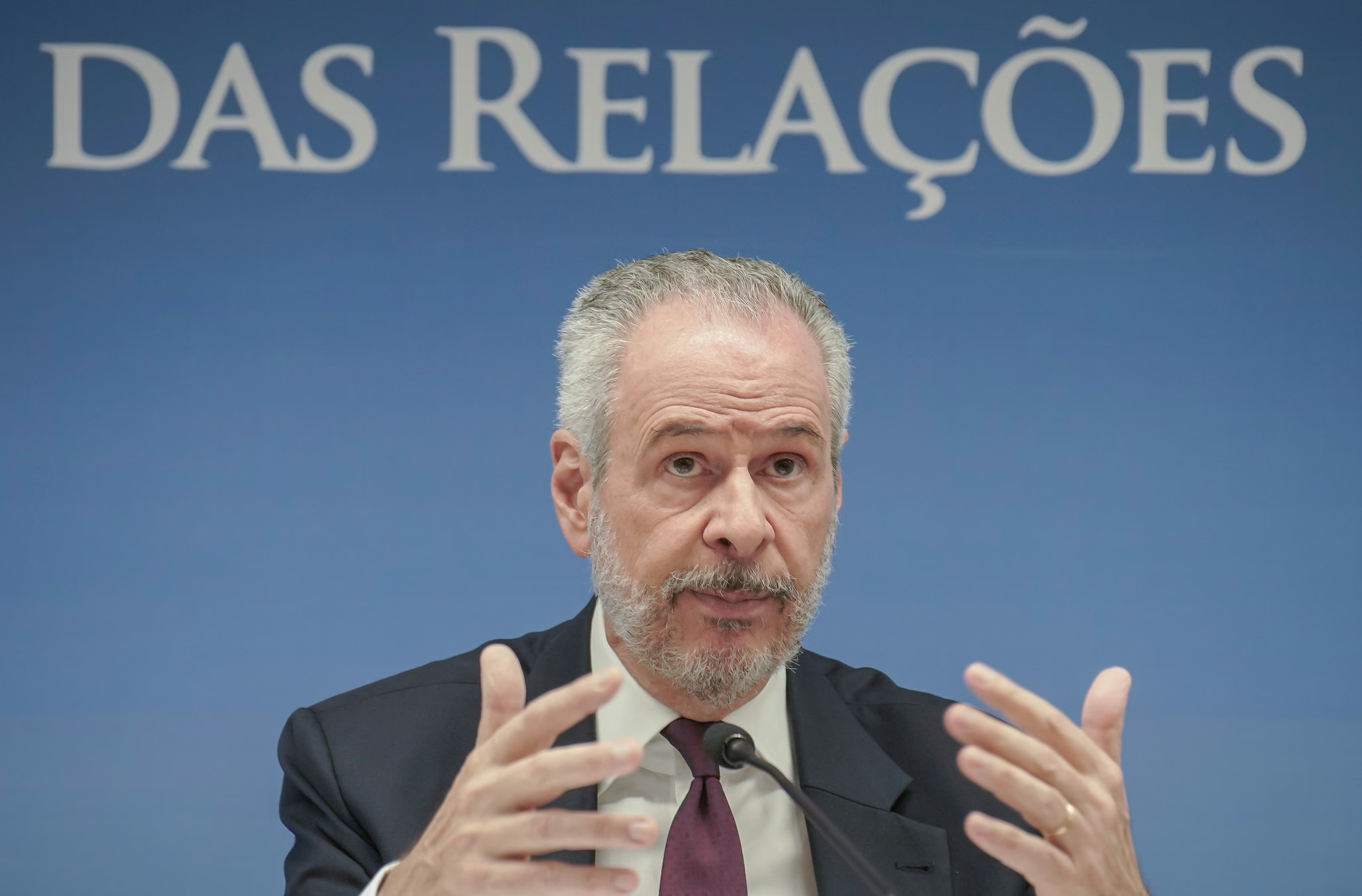
COP30 finally starts addressing what matters. Amid infrastructure crises and threats of boycotts from countries, the conference president, André Corrêa do Lago, published his sixth open letter to the international community on Tuesday (19th), outlining the strategic plan for the crucial 90 days leading up to the summit’s opening.
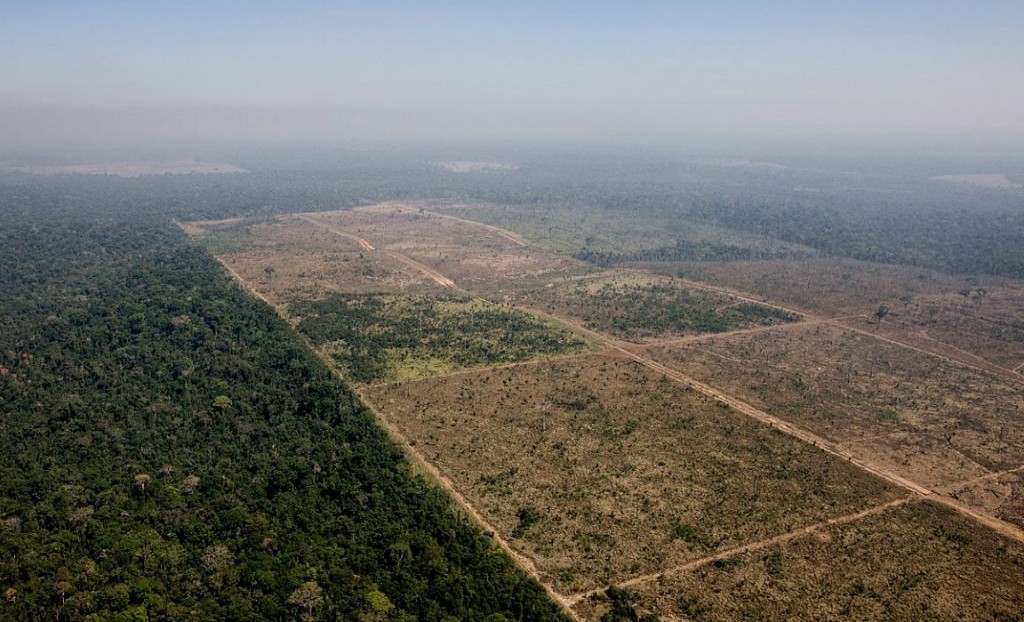
The letter clearly indicates the presidency’s intention to tackle the most sensitive issues in Belém—beyond logistics—including the political response to insufficient NDCs (nationally determined contributions), the need to gradually phase out fossil fuels, and the commitment to halt deforestation by 2030. None of these issues are officially on the COP30 agenda; however, there is arguably nothing more important to debate. After all, they concern the root causes of the climate crisis and the quality of countries’ efforts to address them.
These topics will be addressed through consultations with countries, which will begin immediately at the initiative of the presidency and will follow a schedule of in-person and online meetings until November 10.
Corrêa do Lago will also appoint five pairs of ministers—each comprising a developed and a developing country—as per the Climate Convention’s tradition, to facilitate high-level discussions with countries on the main pillars of the formal agenda in Belém: mitigation (emission reductions), adaptation, means of implementation (finance), just transition, and the Global Stocktake of the Paris Agreement. The goal is to achieve the broadest possible political consensus before COP’s start, given that two weeks of negotiations are insufficient to determine the future of humanity.
Corrêa do Lago’s focus on the NDCs in the letter is a strategic move, as their adequacy will be a key determinant of whether Belém is considered a success or failure. NDCs are at the heart of the Paris Agreement. The current targets, valid until 2030, would result in a global temperature rise of 2.7°C—almost twice the 1.5°C limit agreed upon as the climate stabilization goal. According to science, these targets would need to reduce emissions by 43% by 2030; however, as they are currently proposed, they could even lead to a modest increase in climate pollution.
This is why the new cycle of NDCs—due this year and to be implemented by 2035—is so critical. Ambition must be greatly increased to ensure a 60% global emissions cut by 2035. Yet, the chances of this happening are slim, especially considering that the world’s second-largest emitter, the USA, is out of the Paris Agreement and actively opposing its objectives. As the ambassador notes in the letter, four out of five countries in the Climate Convention have yet to submit their new NDCs, including the three largest emitters: China, India, and the European Union.
Belém must deliver a political response to the insufficiency of countries’ targets, but this is not currently on the conference agenda. Worse, there are divergences among countries on whether any response is appropriate, since NDCs are “nationally determined,” and nations like China view any evaluation of progress before the five-year review period as interference in domestic affairs.
The consultations initiated by Brazil’s COP30 presidency aim to anticipate political difficulties and elevate the level of discussion ahead of the summit, as Brazil perceives technical-level negotiations among delegates as hindered.
“If the image shown by our integrated NDCs turns out disappointing, it is our collective responsibility to convert it into a picture that will ensure a livable planet, protect all economies, and improve living standards and life opportunities for all peoples, for all generations” states the COP30 presidency’s letter.
The same applies to fossil fuels, the primary drivers of the climate crisis. At COP28 in Dubai, the Global Stocktake of the Paris Agreement called for a “just, orderly, and equitable transition away from fossil fuels,” but without a concrete timetable or further specifics, the resolution became mere words. There is no viable solution to the climate crisis without implementing this transition, yet oil-producing countries are attempting to retreat from it. Belém must send a strong signal in favor of its implementation.
“The desperate state of the climate, with new record heatwaves currently hitting the Northern Hemisphere, and the geopolitical turmoil, with Donald Trump disrupting the world order, demand courage from COP30 to tackle difficult but crucial issues. The sixth letter from the presidency demonstrates that courage,” said Stela Herschmann, climate policy expert at OC.
“The letter reflects the kind of leadership negotiation COP30 needs,” said Marcio Astrini, Executive Secretary of OC. “The COP presidency is making an effort for Belém’s success within its scope—climate diplomacy. The Civil House should draw inspiration from this and do the same, to ensure that COP remains relevant and inclusive.”