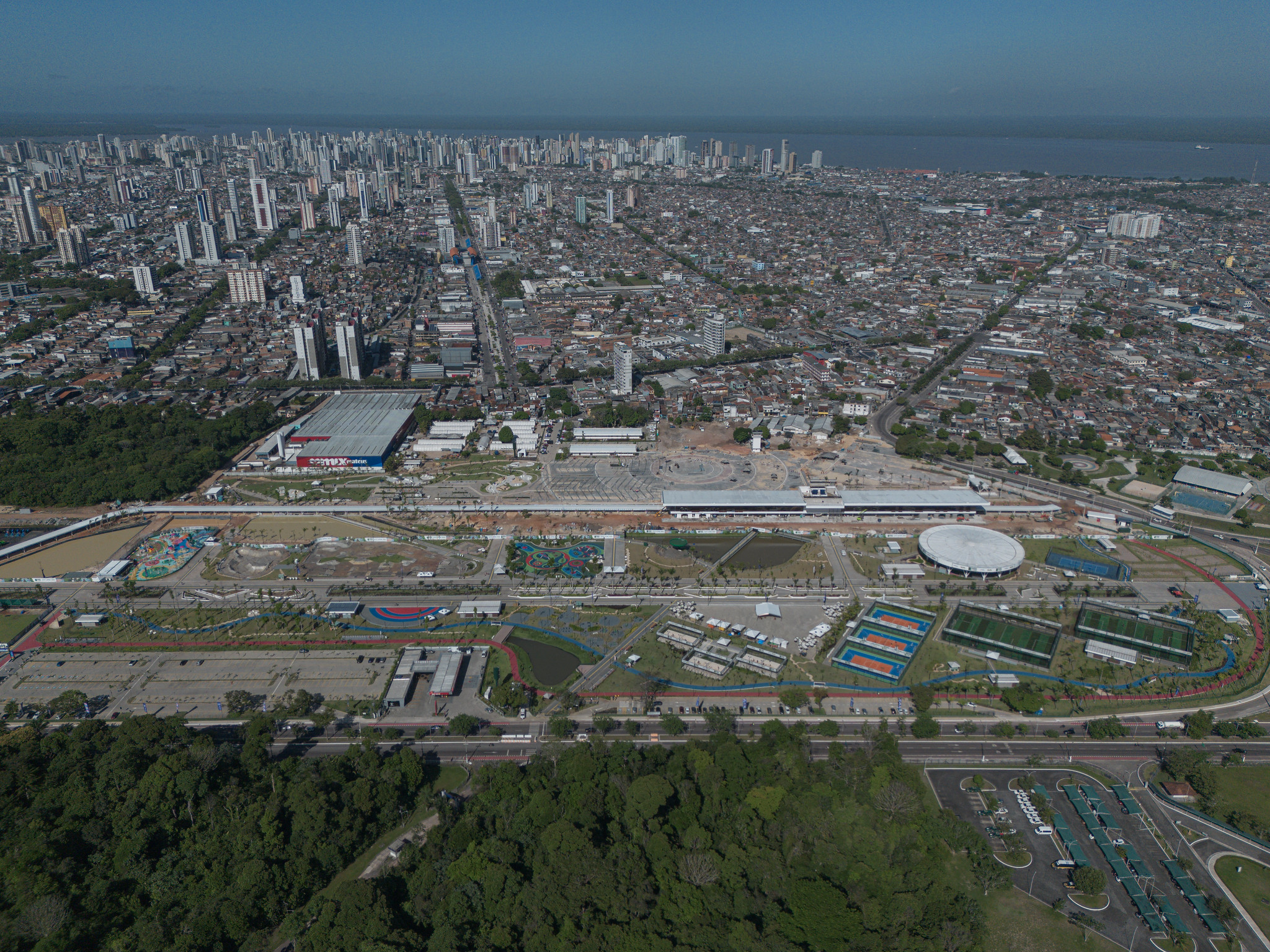
Ninety days before COP30, with multilateralism in shambles, Donald Trump’s growing threats to the climate and the global economy, the Northern Hemisphere facing new heat records, and Earth’s warming on track to permanently surpass 1.5°C, the discussion about the Belém conference is being monopolized by something that should be a non-issue: hotel infrastructure. The negligence of both the federal and the Pará state governments—who had two and a half years to sort out the city’s accommodation problem but did not—has turned this topic into a ticking time bomb, now exploding as countries call for a change of venue and civil society observers say they will not be able to attend.
Without an immediate solution to the crisis, the COP in Brazil risks being the least inclusive in history, with a reduced number of national delegations, constituencies, and the press. The expectation of holding the “People’s COP” in Belém, with massive popular mobilization, is falling apart: prohibitive lodging costs have already reduced—and will further reduce—the number of representatives from the global civil society who can attend. Now the race is on to ensure that world leaders do not boycott the conference and all countries can send full delegations.
A reduction in the number of delegates would undermine the very legitimacy of whatever is negotiated in Belém, giving countries that want to undermine the Paris Agreement the perfect excuse to derail talks. An empty COP would be, in addition to a historic embarrassment for Brazil, a precious lost opportunity for humanity at a moment when we have only five years left to keep the climate agreement’s temperature goal alive.
It was not for lack of warning. Since offering to host COP30, the Brazilian government has known what the conference’s logistical demands are—demands that are not the same as those of other major events held in Belém. The city, as would be the case for almost any other Brazilian capital, should have been adapted to the summit. Instead, the Chief of Staff Minister Rui Costa (PT-BA), responsible for logistics, and Pará Governor Helder Barbalho (MDB) adopted the strategy of adapting the COP to the city (and dismissing any infrastructure concerns as “prejudice” against Pará and its people). This became evident as early as February this year, when the lodging crisis was already apparent and President Luiz Inácio Lula da Silva suggested that delegates could “sleep under the stars.” That same month, the government began promising a digital accommodation platform, which they claimed would be ready “in a few weeks.”
On March 30, the Chief of Staff’s extraordinary secretary for COP30 offended ambassadors by suggesting that countries reduce their delegations. It was also suggested that delegates share rooms. Once again, the platform was promised to be on-line “in a few weeks.” On June 19, at the Bonn conference, Brazil faced harsh questioning from both rich and poor countries and from international civil society, but merely assured them that there would be lodging for everyone and that the platform would be online by the end of June. It went live in August, with prices still unaffordable for most delegates. There is still no answer on accommodations for observers.
The government had time to build hotels and bring in ships, among other measures to meet the conference’s needs. It did less than necessary. It relied on the dedication and extreme patience of the local population, who are now being unfairly blamed for the exorbitant accommodation prices. These prices stem from the negligence of public authorities, who now wash their hands of the matter and call abuse a “law of supply and demand.” Brazil is now facing threats of boycott from countries and pressure to move the COP out of the Amazon, running the deliberate risk of losing an opportunity for the planet, the country, and the state of Pará.